
We have a guest author this week! Ashley Pearson, MS, is a second‑year pharmacy student at Midwestern University near Chicago. You may remember Ashley from our Gen Z post last month. We’re excited to share her voice with you! Let us know if you have any questions. Liking and sharing is always appreciated and helps more people find our newsletter.
What do you think the average pharmacy student brings to class? You probably imagine a backpack or a laptop — but one essential that shows up again and again is an energy drink. I would say, at any given time, at least half of the class has one in hand, with lecture halls dotted by popular brands like Monster, Bang, Celsius, Alani, Red Bull, and Rockstar.
These drinks, which typically come in 12- to 16-ounce cans, are cheap, come in a variety of flavors, are easy to find (my small college campus has at least 10 locations stocking dozens of different kinds), and can provide a “boost” in energy levels for an entire school day.
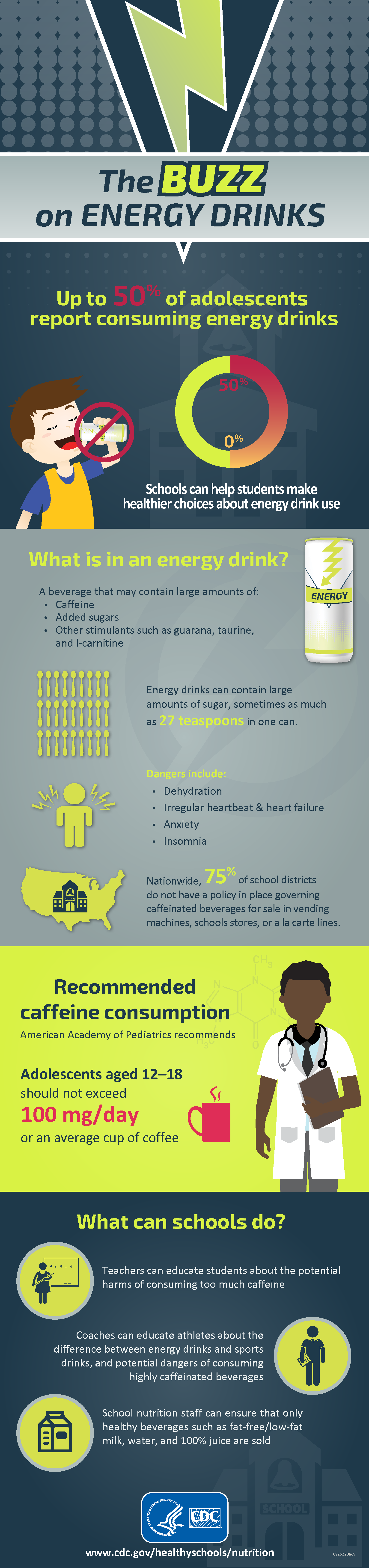
Each can typically contains between 80 mg and 300 mg of caffeine; in comparison, an average cup of coffee has around 100 mg of caffeine, and a can of Coca-Cola contains about 50 mg.
“Energy drink“ is a marketing term for a beverage that’s like a soda with a far stronger caffeine kick. But when you reach for one and look at the label, you’ll often see a long list of “functional” extra ingredients, all claiming to provide even more benefits in addition to keeping you awake, fueled, and hydrated.

What’s in the can?
Now that I’m studying pharmacy, I look at every label more critically. I looked up some popular brands using my school’s natural medicines database (NatMed Pro), and here are some common ingredients you might find.
Base: Carbonated water and sweetener (glucose, sucrose, flavoring, or artificial sweeteners)
Vitamins: B vitamins, including B3 (niacin), B5 (pantothenic acid), B6, B7 (biotin), and B12
Minerals: Electrolytes such as calcium, sodium, magnesium, and potassium.
Stimulants: Synthetic caffeine and caffeine naturally found in herbs like guarana, green tea, or yerba mate
Amino acids: L‑carnitine, L-theanine, and taurine (our bodies naturally make them, and we can also get them from animal-based foods)
Miscellaneous: Herbal supplements like ginseng, ginkgo biloba, or chromium
Caffeine is the main active ingredient known to enhance alertness, focus, and endurance, but the other heavily marketed ingredients don’t have proven “energy” or health benefits. B vitamins are needed to produce energy, but they don’t give you energy. Plus, you probably get enough of them from foods.
Most people also don’t need electrolytes unless they’re sweating buckets or battling a bout of the stomach flu.
Taurine, another common added ingredient, has some evidence it might help with congestive heart failure and hepatitis. NatMed categorizes these taurine uses as “possibly effective” as supplements (not standard treatments).

Do these “extra” ingredients really do anything?
Broader health claims about taurine boosting caffeine’s cognitive and physical performance effects are less supported. Most research is from small, low-quality studies (often limited to a group of male athletes) — not strong evidence. And while taurine by itself is generally recognized as safe and doesn’t have the jittery effects like caffeine, that doesn’t mean there are no safety concerns.
Some early research suggests taurine might feed the growth of leukemia cells in people living with this blood cancer. Other research suggests possible risks from taurine plus caffeine. In an American Heart Association scientific statement on caffeine and cardiovascular disease, the authors noted some research which suggests that energy-drink ingredients like taurine may increase how quickly caffeine is absorbed.
The truth is we just don’t have enough evidence to determine whether many of the extra ingredients have a true benefit and whether they’re safe in combination with caffeine.
Many of these energy drinks also have over 25 grams of added sugar per can, easily clearing the current nutrition guidelines that recommend not exceeding 10 grams per meal. Just like sugary sodas, the added sugars add calories and can lead to weight gain. Brands that are low-calorie and even no calorie typically replace sugar with artificial sweeteners.
Are energy drinks actually safe?
Since starting pharmacy school, I’ve become the go-to person in my family and friend circles for health questions. So what would I tell someone who asks if energy drinks are “safe”? For most people, caffeine is the main concern.
Caffeine can disrupt sleep, trigger anxiety, and increase heart rate or blood pressure. Consuming large amounts of caffeine can overstimulate the adrenergic system, the body’s stress response system. The same racing heart and jittery anxiety you might feel if you unexpectedly encounter a bear on a hike can also occur after too much caffeine. In some people, this could trigger palpitations or heart rhythm problems.

Caffeine is also a mild diuretic, which means it can make you pee more. The water in energy drinks is likely to offset that fluid loss. You’re more likely to get dehydrated if you’re not getting enough plain water or sweating a lot.
How much is too much?
For many healthy adults, it’s recommended to stay at or below about 400 mg of caffeine per day. Teens 12 to 18, however, should cap daily caffeine intake at 100 mg, and lower amounts are also recommended for people with certain health conditions and during pregnancy. The extra caution in teens isn’t only from caffeine triggering heart problems. Caffeine can interfere with the extra sleep they need and may increase mental health or impulse control issues since their brains are still developing.
High doses of caffeine can be dangerous, even fatal, but just how much is too much depends on your body weight.
What to know: For a 150-pound person, around 1,000 mg of caffeine can be toxic. While this is beyond what one typical energy drink contains, it’s easier to get close if you’re stacking multiple drinks or combining them with other caffeinated products.
Energy drinks containing guarana are especially tricky. Guarana is a natural source of caffeine along with other chemicals that act as stimulants, and caffeine from guarana may be absorbed more slowly and stay in your body longer. This could lead to a more sustained stimulant effect and make it harder to gauge how much caffeine you’re consuming overall.
Symptoms of caffeine overdose may include:
Racing or irregular heartbeat
Headache
Increased urination or thirst
Agitation or insomnia
Diarrhea
Nausea or vomiting
Trouble breathing
Spike in blood pressure
Muscle twitching
Confusion
Seizures
Any severe symptoms could be life-threatening, so urgent medical attention is crucial.
Who should be more cautious?
Since these energy drinks taste so good and (oftentimes) contain half a day’s worth of caffeine in a single can, it can be easy to overindulge. Then, if you add coffee, tea, chocolate, and other caffeine-containing supplements on top, your total daily caffeine intake can climb quickly to unsafe amounts without realizing it.

While it’s important to always read the label, it’s just as important to know that not all brands list the caffeine content, and some might only list the amount of caffeine directly added and not include amounts from other ingredients. This, however, might change. The FDA is expected to release new guidance on how caffeine content should be labeled in foods and beverages.
States including Delaware and Massachusetts are also considering age-based restrictions on the sale of energy drinks. The American Beverage industry has voluntary labeling guidelines which include “Not (intended/recommended) for children, pregnant or nursing women (and/or persons/those) sensitive to caffeine.” However, right now, there’s no law stopping a minor from buying them.
Listen to your body. Pay attention to what you consume and when you consume it, and remember that caffeine can be habit-forming. Someone who relies on caffeine may feel they “need” higher amounts just to maintain what feels like normal energy levels. Over time, that pattern can push daily intake higher and higher.
It’s worth asking your clinician or pharmacist before making energy drinks a daily habit, especially if you have a health condition or take medication. For example, if you have high blood pressure or heart disease, the stimulant effect of caffeine might not be safe. The extra sugar can cause problems if you have kidney disease or diabetes. And there’s always the chance that ingredients could interact with your medications or other health conditions.
Finding energy elsewhere
An energy drink may be fine as a pick-me‑up now and then, but if you would like to reduce your caffeine intake, here are some things that have helped me find energy outside the can:
Staying hydrated with water throughout the day
Incorporating nutritious foods, such as whole grains and leafy greens
Moving my body regularly, whether through a cycling workout or just getting more daily steps
Managing stress with time management and breaking tasks into smaller parts
Practicing good sleep hygiene: avoiding caffeine later in the day, keeping naps short and early, and not falling asleep in front of a screen.
I’m excited to keep learning more, and I’m always happy to dig in and find answers. Read the label, ask questions, and talk to your pharmacist (or pharmacist in training). We’re here to help.